
Medical tourism refers to the practice of travelling to another country to receive medical care, often due to lower costs, shorter waiting times, or access to treatments not available in one’s home country. In the context of organ transplants, this phenomenon has gained traction as patients seek alternatives to lengthy waiting lists and high expenses associated with procedures in their home nations. The globalisation of healthcare has made it easier for individuals to explore options beyond their borders, leading to a rise in the number of patients travelling for organ transplants.
The motivations behind medical tourism for organ transplants are varied. For some, the primary driver is the urgent need for a transplant that cannot be met in a timely manner domestically. Others may be drawn by the prospect of more affordable procedures or advanced medical technologies available in certain countries. However, this practice is not without its complexities, as it raises questions about the quality of care, the legality of organ sourcing, and the ethical implications surrounding such decisions. Understanding these factors is crucial for anyone considering medical tourism for organ transplants.
Medical tourism for organ transplants has become an increasingly relevant topic as patients seek alternatives to lengthy waiting lists and high costs in their home countries. A related article that delves into the complexities and considerations of this phenomenon can be found at Med Travel Connect. This resource provides valuable insights into the various aspects of medical travel, including the ethical implications and the importance of ensuring safe and regulated procedures.
Benefits and Risks of Medical Tourism for Organ Transplants
The benefits of medical tourism for organ transplants can be significant. One of the most compelling advantages is the potential for reduced waiting times. In many countries, patients may face years on a waiting list for a suitable organ donor. By travelling abroad, they may find that they can receive a transplant much sooner, which can be critical for their health and quality of life. Additionally, the cost savings associated with medical tourism can be substantial.
Many patients find that they can afford procedures that would be prohibitively expensive in their home countries.
However, there are also considerable risks involved in pursuing organ transplants abroad. One major concern is the variability in healthcare standards across different countries. While some destinations offer high-quality medical care, others may not meet the same standards, potentially jeopardising patient safety. Furthermore, the legality and ethicality of organ sourcing can be problematic. In some regions, there may be a lack of regulation surrounding organ donation, leading to concerns about trafficking and exploitation. Patients must weigh these risks carefully against the potential benefits before making a decision.
Popular Destinations for Organ Transplant Medical Tourism
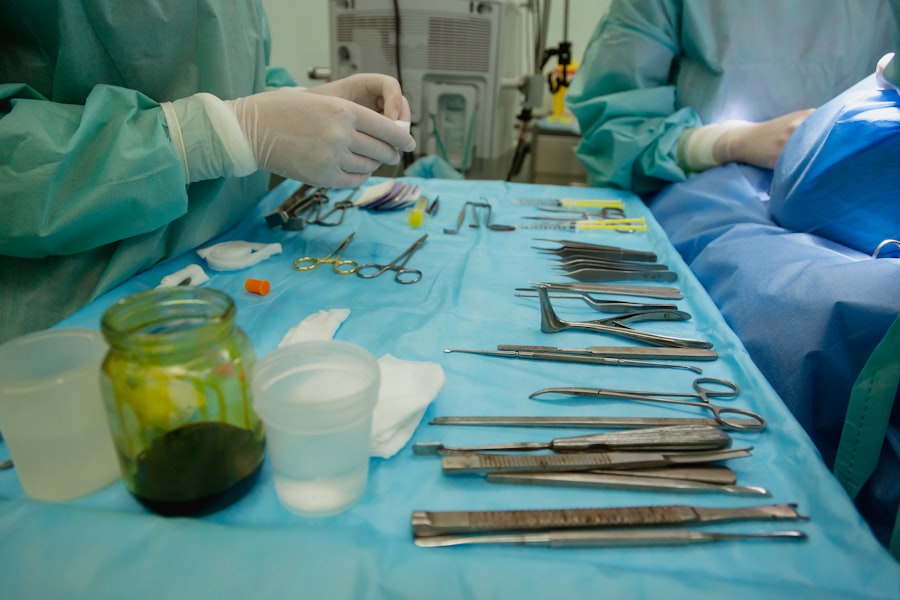
Several countries have emerged as popular destinations for individuals seeking organ transplants through medical tourism. India is often cited as a leading choice due to its advanced medical facilities and relatively low costs. The country has made significant investments in healthcare infrastructure, and many hospitals are equipped with state-of-the-art technology and staffed by highly trained professionals. Additionally, India’s diverse population provides a wide pool of potential organ donors.
Another notable destination is Turkey, which has become increasingly popular for its combination of quality care and affordability. Turkish hospitals often cater specifically to international patients, offering services in multiple languages and streamlined processes for those seeking transplants. Other countries such as Mexico and Thailand also attract medical tourists due to their competitive pricing and accessible healthcare services. Each of these destinations presents unique advantages, but prospective patients should conduct thorough research to ensure they choose a facility that meets their needs.
The cost of organ transplants can vary dramatically between countries, making it essential for patients to consider their financial options carefully. In many Western nations, the expenses associated with organ transplants can be exorbitant, often exceeding hundreds of thousands of pounds when factoring in surgery, hospital stays, and post-operative care. For individuals without adequate insurance coverage or those facing long waiting periods, travelling abroad may present a more viable financial solution.
In contrast, countries known for medical tourism often offer significantly lower prices for similar procedures. For instance, a kidney transplant in India may cost a fraction of what it would in the UK or the US. This cost disparity can make medical tourism an attractive option for those who are financially constrained yet require urgent medical intervention. However, it is important to consider not only the initial costs but also any potential hidden expenses related to travel, accommodation, and follow-up care that may arise after the transplant.
Legal and Ethical Considerations in Organ Transplant Medical Tourism
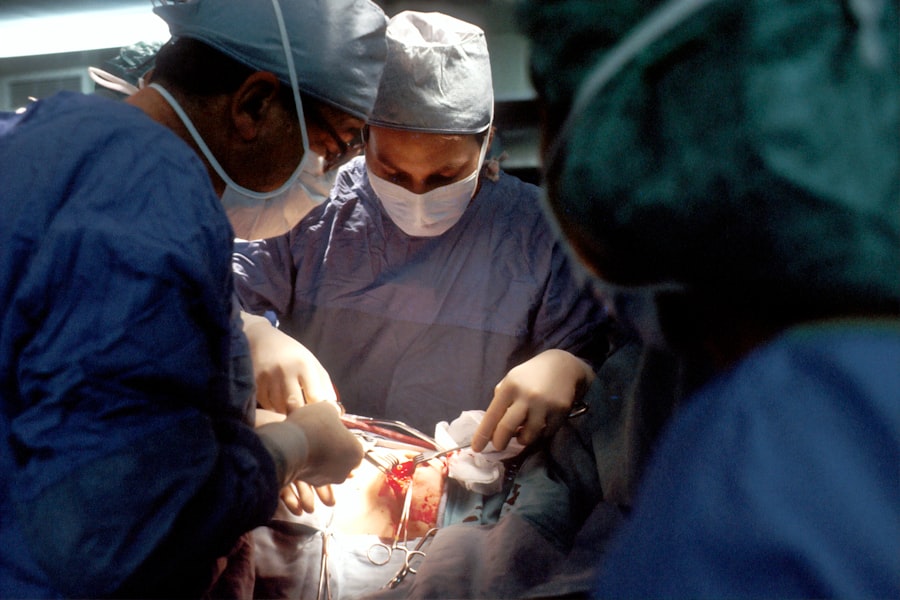
The legal landscape surrounding organ transplants varies widely from one country to another, which can complicate matters for medical tourists. In some nations, regulations governing organ donation and transplantation are stringent and well-enforced, while others may have lax laws that could lead to unethical practices. Patients must be aware of these differences and ensure that they are engaging with reputable institutions that adhere to ethical standards.
Ethical considerations also play a significant role in the decision-making process for those considering medical tourism for organ transplants. The potential for exploitation of vulnerable populations in countries with less stringent regulations raises serious moral questions about the sourcing of organs. Patients should seek out facilities that prioritise ethical practices and transparency in their operations. Engaging with organisations that advocate for ethical standards in transplantation can provide additional guidance and support.
Medical tourism for organ transplants has become an increasingly popular option for patients seeking timely and affordable procedures abroad. Many individuals are drawn to countries that offer advanced medical facilities and skilled surgeons, often at a fraction of the cost compared to their home countries.
In this context, the concept of therapeutic holidays is gaining traction, as it combines essential medical care with a chance to recuperate in a serene environment.
For those interested in exploring this unique approach, a related article discusses how such holidays can provide a perfect blend of care and comfort, making the journey more enjoyable. You can read more about it in this insightful piece on therapeutic holidays for seniors.
Preparing for Organ Transplant Medical Tourism: What to Expect
Preparation is key when considering medical tourism for organ transplants. Prospective patients should begin by conducting thorough research on potential destinations and healthcare providers. This includes reviewing hospital accreditation, physician qualifications, and patient testimonials to gauge the quality of care offered. It is also advisable to consult with healthcare professionals at home who can provide insights into the process and help coordinate care.
Once a destination has been chosen, patients should prepare for the logistical aspects of their journey. This includes arranging travel plans, securing accommodation near the hospital, and ensuring that all necessary documentation is in order. Patients should also consider how they will manage post-operative care once they return home, as follow-up appointments and ongoing treatment will be essential for recovery.
Post-Transplant Care and Follow-Up for Medical Tourists
Post-transplant care is a critical component of the overall success of an organ transplant procedure. For medical tourists, this aspect can be particularly challenging due to geographical distance from their healthcare providers. After undergoing surgery abroad, patients must remain vigilant about their health and adhere to prescribed medication regimens to prevent complications such as organ rejection.
Follow-up care typically involves regular check-ups with healthcare professionals who can monitor the patient’s progress and address any concerns that may arise. Patients should establish a clear plan for follow-up appointments before returning home and ensure that their local healthcare providers are informed about their transplant history. This collaboration between international and local healthcare systems is vital for ensuring long-term success after an organ transplant.
The Future of Organ Transplant Medical Tourism: Trends and Developments
The landscape of medical tourism for organ transplants is continually evolving as advancements in technology and changes in global healthcare policies shape the industry. One emerging trend is the increasing use of telemedicine, which allows patients to consult with specialists remotely before and after their procedures. This development can enhance communication between patients and healthcare providers across borders, improving overall care coordination.
Additionally, as awareness grows regarding ethical sourcing and patient safety, there may be a shift towards more regulated practices within the medical tourism sector. Countries that prioritise ethical standards may gain a competitive edge as patients become more discerning about where they seek treatment. Overall, the future of organ transplant medical tourism will likely be influenced by ongoing developments in technology, regulation, and patient advocacy efforts aimed at ensuring safe and ethical practices in this complex field.

At Med Travel Connect, we bridge the gap between you and exceptional medical treatment across borders. Specializing in Plastic Surgery, Orthopaedic Surgery and Bariatric Surgery, we offer a seamless journey to health and rejuvenation.