
In recent years, medical tourism has gained significant traction, particularly in the realm of rehabilitation services. This trend is largely driven by the increasing costs of healthcare in developed nations, coupled with the growing availability of high-quality medical services in various countries.
Patients seeking rehabilitation for conditions such as physical injuries, substance abuse, or post-operative recovery are increasingly looking beyond their borders for affordable and effective treatment options.
The rise of the internet and global connectivity has further facilitated this trend, allowing patients to research and compare rehabilitation facilities worldwide.
Moreover, the COVID-19 pandemic has accelerated the shift towards medical tourism for rehabilitation. Many healthcare systems faced unprecedented challenges during the pandemic, leading to delays in elective surgeries and rehabilitation services. As a result, patients have sought alternatives in countries where healthcare systems remained more accessible. This shift has not only highlighted the importance of timely rehabilitation but has also opened up new avenues for patients to receive care in a more efficient manner. Consequently, medical tourism for rehabilitation is becoming a viable option for many individuals seeking timely and effective treatment.
Medical tourism has become an increasingly popular option for individuals seeking rehabilitation services, particularly for those recovering from major surgeries such as hip replacements. For instance, an insightful article discusses how hip replacement surgery can be a life-changing solution for joint pain, highlighting the benefits of seeking treatment abroad. This can provide patients with access to high-quality care at a fraction of the cost compared to their home countries. To learn more about this transformative procedure and its implications for medical tourism, you can read the article here: Hip Replacement Surgery: A Life-Changing Solution for Joint Pain.
Popular Destinations for Medical Tourism in Rehabilitation
Several countries have emerged as popular destinations for medical tourism focused on rehabilitation services. Thailand, for instance, is renowned for its advanced healthcare facilities and experienced medical professionals. The country offers a range of rehabilitation services, from physical therapy to addiction recovery programmes, often at a fraction of the cost compared to Western nations. The combination of high-quality care and appealing tourist attractions makes Thailand an attractive option for those seeking rehabilitation abroad.
Another notable destination is Mexico, which has become increasingly popular due to its proximity to the United States and its affordable healthcare options. Many rehabilitation centres in Mexico cater specifically to American patients, offering bilingual staff and tailored programmes that meet the needs of international clients. Additionally, countries like India and Costa Rica are also gaining recognition for their comprehensive rehabilitation services, combining modern medical practices with holistic approaches. These destinations not only provide effective treatment but also allow patients to recover in a pleasant environment, enhancing their overall experience.
Benefits and Risks of Medical Tourism for Rehabilitation

The benefits of medical tourism for rehabilitation are manifold. One of the primary advantages is cost savings; patients can often receive high-quality care at significantly lower prices than in their home countries. This financial incentive is particularly appealing for those without adequate insurance coverage or those facing long waiting times for treatment. Furthermore, many rehabilitation centres abroad offer state-of-the-art facilities and highly trained professionals, ensuring that patients receive effective care tailored to their specific needs.
However, there are also risks associated with medical tourism for rehabilitation that should not be overlooked. One major concern is the potential lack of regulatory oversight in some countries, which can lead to variations in the quality of care provided. Patients may encounter facilities that do not meet international standards or practitioners who lack proper credentials. Additionally, language barriers can complicate communication between patients and healthcare providers, potentially leading to misunderstandings regarding treatment plans or aftercare instructions. It is essential for patients to conduct thorough research and consider these risks before embarking on their medical tourism journey.
Types of Rehabilitation Treatments Available through Medical Tourism
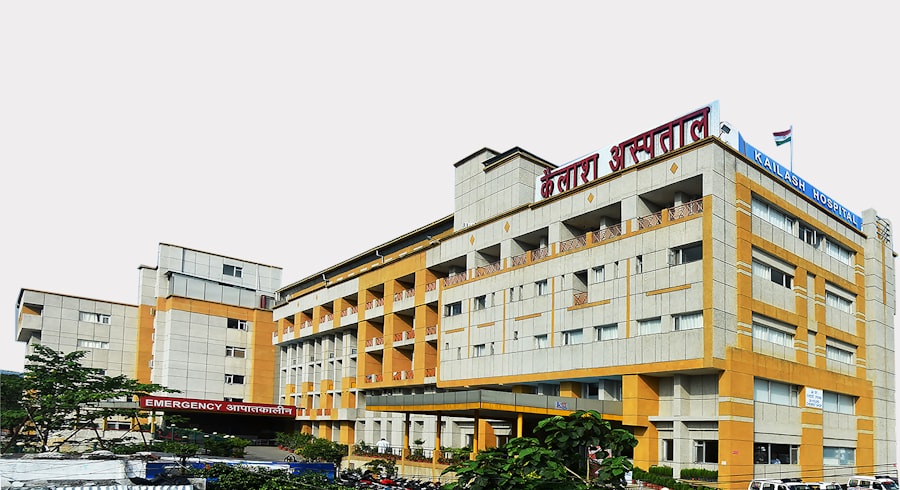
Medical tourism for rehabilitation encompasses a wide array of treatments designed to address various health issues. Physical rehabilitation is one of the most common types sought by patients recovering from surgery or injury. This may include physiotherapy sessions, occupational therapy, and specialised programmes aimed at restoring mobility and function. Many facilities offer tailored rehabilitation plans that incorporate advanced techniques and technologies to enhance recovery outcomes.
In addition to physical rehabilitation, there is a growing demand for mental health and addiction recovery services through medical tourism. Patients seeking treatment for substance abuse or mental health disorders can find comprehensive programmes that combine therapy, counselling, and holistic approaches. These facilities often provide a supportive environment that encourages healing and personal growth. Furthermore, some destinations offer wellness retreats that focus on overall well-being, incorporating elements such as nutrition counselling, mindfulness practices, and fitness training into their rehabilitation programmes.
Medical tourism for rehabilitation has gained significant traction in recent years, with many individuals seeking affordable and high-quality care abroad. A recent article highlights the reasons why UK patients are increasingly choosing Poland for their healthcare needs, showcasing the benefits of combining travel with medical treatment. This trend not only offers cost-effective solutions but also provides access to advanced rehabilitation facilities. For further insights, you can read the article here: why UK patients are choosing Poland for affordable healthcare.
How to Plan and Prepare for Medical Tourism for Rehabilitation
Planning for medical tourism requires careful consideration and preparation to ensure a successful experience. The first step is to conduct thorough research on potential destinations and rehabilitation centres. Patients should look for facilities with accreditation from recognised international organisations, as this can be an indicator of quality care. Reading reviews from previous patients can also provide valuable insights into the experiences others have had at specific centres.
Once a suitable facility has been identified, patients should prepare for their trip by gathering necessary medical records and documentation. This may include previous treatment histories, imaging results, and any relevant prescriptions. It is also advisable to consult with a healthcare professional in the home country before travelling to discuss treatment options and expectations. Additionally, patients should consider logistical aspects such as travel arrangements, accommodation, and any required visas or vaccinations. Proper planning can help mitigate potential challenges and ensure a smoother transition into the rehabilitation process.
Medical tourism for rehabilitation has gained significant attention in recent years, as individuals seek high-quality care at more affordable prices abroad. Many patients are discovering that procedures such as cosmetic surgery can not only enhance their appearance but also improve their overall well-being. For instance, a recent article discusses how a tummy tuck can boost confidence and health, highlighting the benefits of such surgeries in a medical tourism context. If you’re interested in learning more about this topic, you can read the full article here.
The Cost of Medical Tourism for Rehabilitation
The cost of medical tourism for rehabilitation varies significantly depending on the destination and type of treatment sought. In general, patients can expect to pay considerably less than they would in their home countries. For instance, physical rehabilitation services in countries like Thailand or Mexico may cost only a fraction of what similar services would cost in the United States or the United Kingdom. This cost-effectiveness makes medical tourism an appealing option for many individuals seeking rehabilitation.
However, it is important to consider all associated costs when evaluating medical tourism options. In addition to treatment fees, patients should factor in travel expenses, accommodation costs, and any additional services required during their stay. Some facilities may offer package deals that include accommodation and transportation, which can simplify budgeting for patients. Ultimately, while the potential savings are significant, careful financial planning is essential to ensure that all aspects of the trip are accounted for.
Choosing the Right Medical Tourism Provider for Rehabilitation
Selecting the right medical tourism provider is crucial for ensuring a positive rehabilitation experience abroad. Patients should begin by researching various providers and comparing their offerings, including treatment options, facility accreditation, and patient testimonials. It is advisable to choose providers with a proven track record in facilitating successful rehabilitation journeys for international patients.
Communication is another key factor when choosing a provider. Patients should seek out providers who are responsive and transparent about their services, costs, and any potential risks involved in the treatment process. Additionally, it may be beneficial to inquire about aftercare support and follow-up services once the patient returns home. A reputable provider will prioritise patient safety and satisfaction throughout the entire process, from initial consultation to post-treatment care.
The Future of Medical Tourism for Rehabilitation
The future of medical tourism for rehabilitation appears promising as more individuals seek alternatives to traditional healthcare systems. As globalisation continues to expand access to information and resources, patients are likely to become increasingly aware of their options beyond national borders. This trend may lead to further advancements in telemedicine and remote consultations, allowing patients to connect with healthcare providers before making travel arrangements.
Moreover, as countries continue to invest in their healthcare infrastructure and improve service quality, competition among medical tourism destinations will likely intensify. This could result in enhanced offerings and more innovative treatment options tailored specifically for international patients seeking rehabilitation services. Ultimately, the landscape of medical tourism for rehabilitation is expected to evolve significantly in the coming years, driven by patient demand for accessible and effective care solutions worldwide.

At Med Travel Connect, we bridge the gap between you and exceptional medical treatment across borders. Specializing in Plastic Surgery, Orthopaedic Surgery and Bariatric Surgery, we offer a seamless journey to health and rejuvenation.